Consider this a throwback to 7 Quick Takes. But first a bonus take: I directed my first Slavonic liturgy for the feast this past Thursday. Whew! It was an out of the frying pan into the fire sort of situation and I had zero time to prepare (which meant I had to pitch everything by ear), but also didn’t have time to psych myself out. It went…ok. I think. It is hard to direct, do festal liturgics in your head, and read music/think in a different language.
1) Ease in clothing
As the seasons change, I usually evaluate my clothing bins as I’m switching things over. Given the rather wide range of temps we have here, I end up having sort of micro-seasonal wardrobes. There’s the false fall wardrobe that is useful from September to October, the not-quite-full winter wardrobe of November and December, and then the full thing by January. I should just have it all out all season, but I really don’t have enough room. I have one full size drawer for tops and pants, and one tiny closet that can hold a max of 14 hangers with a tiny shelf for sweaters and pajamas. Plus a tiny 14 hanger closet on the landing that I share with Boo. It holds stuff that is hard to store in vacuum bags or pieces that I wear very occasionally but like to have easily accessible, like my two blazers or black funeral dresses and long black monastery skirts. I get about 7 hangers in that one. There isn’t much room to switch only twice a year. And there’s the thing that a overly full closet stresses me out.
Anyway. I’ve been thinking a lot about what I’m wearing right now, what I reach for on repeat, and the word I keep coming back to is: Ease. I’m never uncomfortable in my clothes, but there are some styles that are easier than others. While I love the style of my wool pencil skirts, and how sharp they look, they are fairly useless for real winter weather because I get so cold inside the house. I’m already wearing one or two wool base layers and wool socks, and occasionally put wool tights over that whole mess. I end up feeling like the Michelin man by the time I’ve got myself tolerably warm top to bottom, so I’m mostly wearing a couple wool maxi skirts in rotation or occasional cords. It looks fine, but I dunno. I was totally feeling the clothes-to-wear-while-living-in-a-Central-Asian-yurt vibe of last month, but somehow it feels tired now. But maybe that is just the fast talking (see #3).
I think I’ve just got to admit defeat and say that the pencil skirts are really only useful for those micro seasons on either side of winter. Or occasions when I need to look very put together, which, frankly, at this stage of life, isn’t often.
2) Keeping vs. throwing
My first instinct is to get rid of the pencil skirts, even though I especially love the yellow one and a black wool pencil skirt is almost always a good idea to have in your wardrobe. The mauve one fits really well and is one of those strange neutrals, so I’m reluctant to consign it. I don’t like to store stuff I’m not wearing, and my mother will be the first to tell you that I’m a thrower, not a keeper. I’d like to think I’m a thoughtful thrower, not a chaotic one, but still, she’s not wrong.
I even wonder why I feel such a strong moral judgement within myself about buying things. We live well within our means, give a lot of it away, buy a lot second-hand, but on some level, I think that any purchasing is avarice? It’s completely irrational and ridiculous, I know. Comes from the unfortunate association with being overweight most of my life. I always feel like I take up too much space and want to apologize for existing. My head is a weird snarly place.
At the same time, I think there is value in being surrounded by books and things that are grounding to a space. I tend to like cosy instead of utilitarian spaces, much as I like the unclutteredness of them. Bauhaus has very clean lines and open spaces, but I wouldn’t want to live in it. Utilitarian can feel soulless and dead. Can I live here, please? (There was some famous writer who thousands of books in his personal library, taking up every horizontal space and stacked several deep. I would live there).
I keep having an argument with myself about my throwing tendencies. On the one hand, our family of six lives in approximately 1600 square feet (literal cheek by jowl with our urban neighbors), and much of it vertical space, with no garage and a 400 square foot unfinished basement with low ceilings. There are a total of four closets in the house, the two tiny ones I mentioned before, and 2 other regular size ones, but one is in a room that isn’t big enough to be a bedroom. So almost everything is stored in drawers, under beds, in bins, etc and I utilize the vertical space as much as possible. I like to think I’m pretty efficient with our space, all things considered.
We are also in a strange transition with our kids, where they are kind of outgrowing their toys, but aren’t quite ready to part with them. (I’m also mindful that grandchildren are not very far off, relatively speaking). I rarely force the issue unless we are really squeezed, but half of one full-size closet is given over to toy and lego storage. Some of the things I store are sentimental for me. I have my mom’s Barbie doll from 1960, including the case and all the clothing. My sisters and I played with that Barbie as much as ours and I’m attached to having it. Ditto a few baby clothes from the kids and a single preemie diaper from Ponchik. I have things from my beloved late grandmother that I love to use and see in my house, like her spoon collection, or many hand-crocheted or knitted doilies. These things make up the stories of our lives.
Does it really matter if our closets and drawers are full (but not bursting) and we use or enjoy almost everything in our house at one point or another? I think no. It is okay to take up space in the world. To leave something of yourself behind for others to use and enjoy. The material aspects of our being bind us to the past and future and yet ground us in the present. This has been a new space in my head: to hold the idea that keeping is a positive good and not a cluttering mess to be managed.
3) Nativity Fast
Which brings me to the Nativity Fast. I was in a car accident the Friday before Thanksgiving and totaled the car. It was a fairly minor fender bender at low speed in stop and go traffic, and totally my fault, but Mazda 5 vs. Nissan Armada means the Mazda 5 loses every time. The whole front end of our car just buckled whereas the Armada has only a fist-size dent in the bumper. Thankfully no one was hurt and we’ve been able to replace the car with another Mazda 5 of the same vintage with lower mileage, but there’s the licensing and inspection and parking permits, and all that jazz to do now. (The real insult to injury: we had the old car inspected the day before the accident).
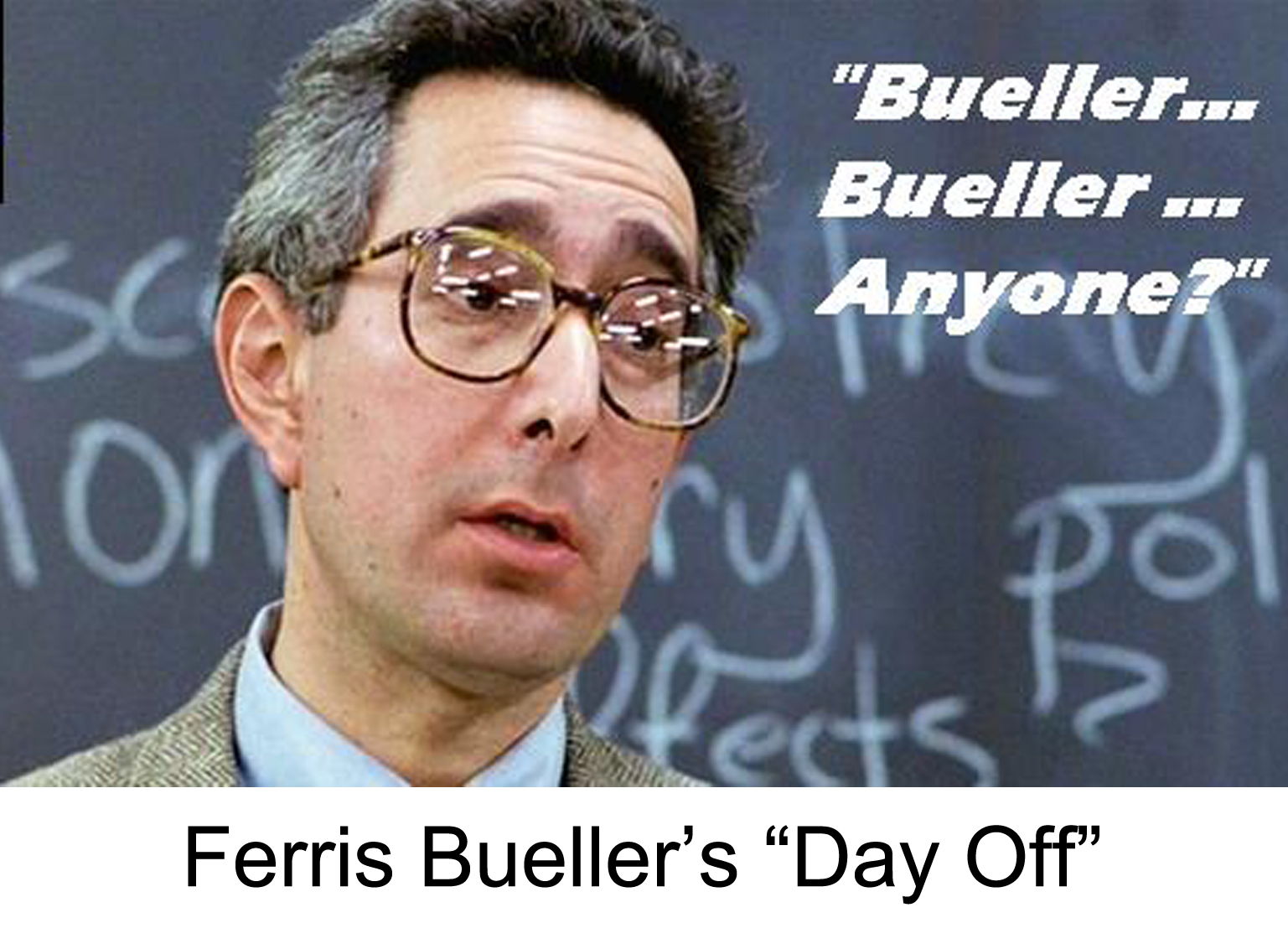
I’m very unsettled within myself. Anyone else get that feeling like you are on the outs with the world and you are going to make a muck of someone’s day just because you are in it? No? Just me? (Bueller?…)
It is true that my laptop has decided to stop connecting to icloud, and there has been no fix that will make it do so, which means everything I’ve stored in the cloud is only accessible on my phone. Which is basically everything that was supposed to be on the hard drive. This has been disconcerting in the extreme as all my writing and school-related documents and many other things I rely on every day are difficult to access. I can’t even sign out to try to sign back in. (And before you send me tips, I’ve tried a lot: I’ve been on with three different Apple support people who were fairly useless. I’ve rebuilt the iOS, tried making a new admin profile, even though all the profiles are already admin, tried having my account ‘forget’ my laptop, all to no effect. I tried to get the icloud stuff off my phone onto an external hard drive but the phone wouldn’t connect to the drive so I couldn’t transfer the files. I can’t even access icloud on any of the browsers on my laptop, and I’ve tried all four). It is true that my laptop is very elderly in tech terms, but it still works for almost everything, so I’m disinclined to replace it.
On the plus side, I’ve made some new progress on the novel, am reading lots of great stuff, have gotten some paid sewing alterations, and my neck and shoulder are still doing ok after the sturm und drang of the late summer. Even after the car accident. There is much to be grateful for.
We were at the monastery over Thanksgiving weekend, and I mentioned to one of the monks the situation with our car (we had rented a proper minivan for the long drive with the kids) and he just twinkled at me and said “The fast is full of temptations!” It was a reminder to say the Jesus prayer when I feel like this and bring it all before God with trust and hope.
Trust is a tricky thing, though. If I think that trust means everything works as it should and life is smooth sailing, then when a tempest takes your ship, as it always does, it can feel like that trust is betrayed. You end up shaking your fist at the sky and howling into the wind, when what you should be doing is lashing yourself to the wheel and giving over to the storm until it passes. (Can you tell that Black Sails is still alive and well in my head?) Rather, I should remember that trust means knowing that God works all things together for good. And good is not necessarily what I think is good.
4) 1066 and all that
I’ve been reading a lot, as I said. I discovered the Ruth Galloway series by Elly Griffiths. A substacker I read recommended Griffiths’ latest book, The Frozen People, the first in a new detective series. I enjoyed it enough that I decided to look into her first long-running series featuring an archeologist seconded to the Norfolk Police department. I’m maybe five books into the twenty and enjoying them very much. Consider it a kind of a middle-aged British Bones set in the fens.
Starz’ Outlander prequel Blood of my Blood was an absolute treat from start to finish. It was everything I hoped that Outlander could have stayed, and everything I loved about the first two seasons before they started messing with stuff for no good reason at all. The disappointments of the later seasons of the show have even delayed my reading of Go Tell the Bees that I am Gone, the latest in the novels.
I should state for the record that I still LOVE the books, as is well-documented here. And I can hold the books separate from the show in my mind, but basically since season 4, I’ve been almost hate-watching it? That’s not exactly right. I do get sucked into the story, and I still think the show is well-written, high production value, great acting/casting, etc. It’s more that because I know what happens in the books is not how it is playing out on screen makes for a kind of cognitive dissonance. I know once I pick up the book I’ll be completely sucked in, though.
In any case, there are some great Easter eggs in Blood of my Blood, and, because I mostly didn’t know the story, I had no expectations about the show. The casting is spectacular. I’m eager for season 2.
I read a number of forgettable Cold War spy novels, plus a few non-fiction books about Cold War era espionage and am considering a novel on the topic. (The Ipcress File is a fun watch). I also read Harald Jahner’s excellent pair of books about Weimar Germany and the twenty or so years after WW2 ended, Vertigo and Aftermath, respectively. I would call them paradigm shifting. His writing style is novelistic and accessible, which my fuzzy perimenopausal brain appreciates. Jahner’s books helped me understand a lot about European politics in the 20th century and also went a long way to fitting the pieces of the longer history puzzle together in my mind.

My other obsession remains England from 500 AD - 1066 AD. After watching The Winter King, which is a King Arthur retelling in the time period in which the real Arthur is thought to have lived, I watched King and Conqueror, which is set in the first 10 months of 1066, ending with Hastings. The latter show has some issues, namely messing with timelines, events, and some basic character mistakes; the actual events and personages are soap-opera worthy, so I’m unsure why they messed with it? I did enjoy it, but I sort of had to turn off the historian part of my brain and let the show be the show and not actually what happened. I am planning to read Ed West’s book on 1066 soon.

Anyway, the two shows formed bookends to the books and series I’ve read and watched in past years about the period: Vikings (through season three; it went off the rails by four), The Last Kingdom, which picks up roughly where Vikings leaves off, and Vikings: Valhalla, which takes place about 40 years after The Last Kingdom. (Season one of Valhalla is just ok; I gave up one episode into season 2. Michael Hirst’s touch was sorely missing). The new Robin Hood on MGM+ picks up about 100 years after Hastings; it depicts it as a clash of Saxon vs. Norman invaders, which is interesting and timely after King and Conqueror. There are some things I don’t love about the show, but I’ll stick with it for now. (As an aside, I have the old BBC Robin Hood on while I’m sewing and it is a delightfully campy romp. The costuming is hilariously bad, and the characters broadly drawn, but it is so light and enjoyable to rewatch. Plus: Richard Armitage).

I’m sorry The Winter King was canceled after one season; they were really hitting their stride and I was curious to see where it would go. There were some issues with the storytellings, obviously, but it had high production value and the character development was great. (Fair warning, the bad guys are REALLY bad). I’m planning to read Bernard Cornwell’s Warlord triology on which The Winter King is based. And I want to revisit The Mists of Avalon, which I read many years ago and loved. I’m still plugging away at the Corwell’s Saxon Chronicles, on which The Last Kingdom is based. I think what I liked best about almost all the shows mentioned is that they take the religion of the characters seriously, and also deal with the conflicts between Christianity and paganism in the time fairly.
5) Mythology
I also highly recommend The Return, which is the story of Odysseus’ return to Ithaca at the end of his journeys. Ralph Fiennes and Juliette Binoche knock it out of the park, and Binoche especially is magnificent. The last ten minutes of the film are Oscar-worthy and took my breath away. Binoche says very little, but her face conveys everything.
Speaking of The Odyssey, one of the annual assessment prompts in 7th grade Humane Letters is: “The Odyssey is the only true story.” (Humane Letters in Upper School is no joke, ya'll). I have this poster that one of the Humane Letters teachers designed that says: “The hero must go down into Hades in order to get home.” Which I think covers it all.
6) Fairy Tales

On my driving to and from school for various kid activities and pick ups, I’ve been catching up on Storytime For Grownups’ Summer Session. This past summer she delved into fairy tales, and I’m completely captivated. There is an interview early on in the summer with Boze Herringdon and he said something to the effect that fairy tales undergird all our stories to some degree, and, since they go back thousands of years in one form or another, without those tales, we cannot know who we are as a culture. He noted that a lot of writing and screen-based storytelling in the past 10 years has gotten away from that and it is almost uniformly rubbish as a result. It’s like trying to build a house over a canyon. You cannot do it. We’ve collectively forgotten our stories. It has given me a lot to think about as I edit my manuscript and continue to shape the story. I’m still trying to decide what “type” the story is: Cinderella, Beauty and the Beast, or a Bluebeard story. Or something else all together. There’s a symbolic underlayer there that is important, even if it isn’t visible.
7) Friends in Singapore?
I’ve noticed a large uptick in my stats the past few months, mostly from Singapore. While I would be delighted to welcome new readers, I strongly suspect a data firm is training an AI on Google’s blogger content. Several other bloggers have noted similar statistical findings, so I think I can be safe in saying that. In which case: boo, go away! Please…?